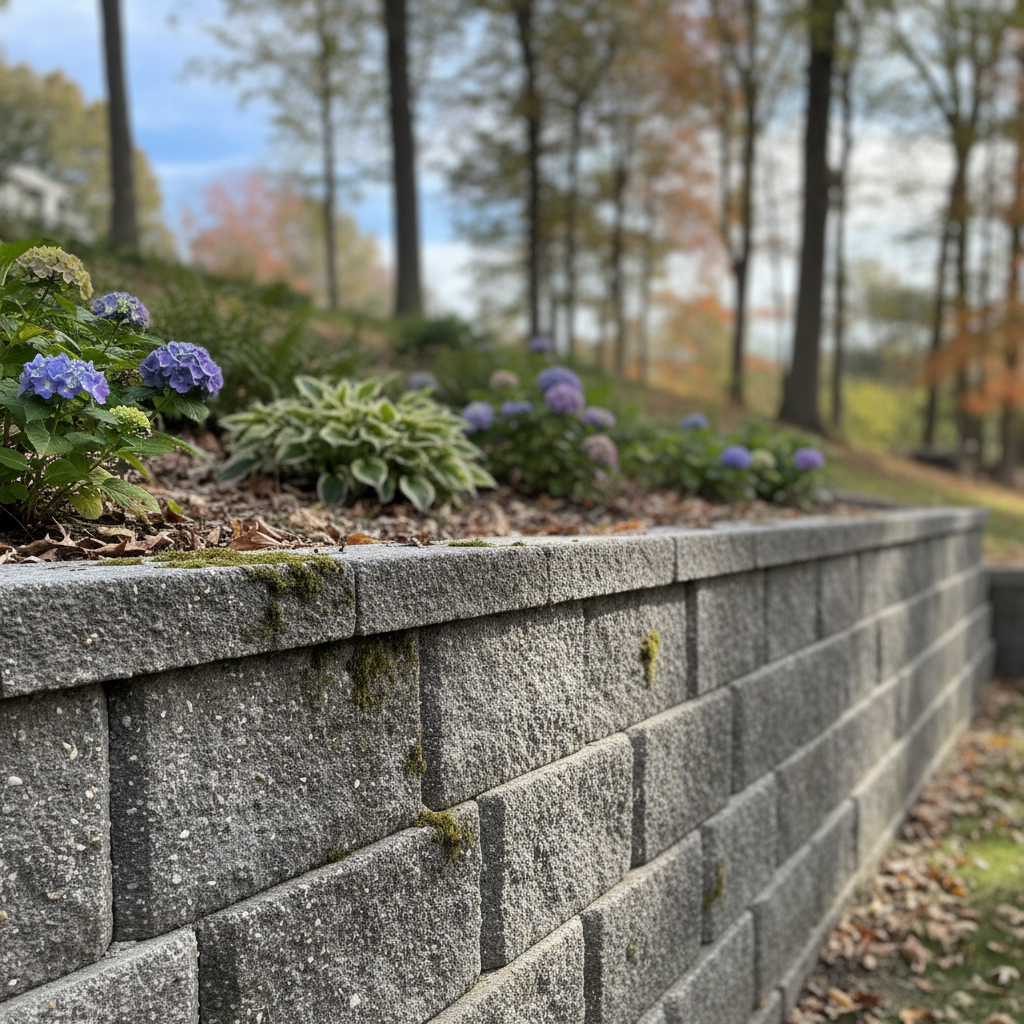
Got a slope in your yard? Maybe you're dealing with erosion, or you just want to create some usable, level space. A concrete retaining wall can be a real game-changer for your property. But before you grab a shovel, let's talk about what you're getting into. I've seen a lot of these projects around Hartford, from the West End to the South End, and there's definitely a right way and a wrong way to go about it.
Before You Even Think About Digging
First off, a retaining wall isn't just a stack of blocks. It's a structural element that holds back a lot of earth, water, and pressure. Get it wrong, and you're looking at a collapsed wall, a mess, and potentially a very expensive fix. So, planning is crucial.
- What's the Wall's Job? Is it just decorative, holding back a small flower bed? Or is it retaining a significant slope, maybe near your foundation or a driveway? The higher the wall, the more serious the engineering requirements. Anything over 3-4 feet high, and you're almost certainly going to need professional engineering plans and permits. Trust me, the City of Hartford isn't messing around with walls that could fail.
- Check Your Property Lines: This sounds obvious, but you'd be surprised. Make sure your wall isn't encroaching on your neighbor's land. A survey might be a good idea if you're unsure.
- Call Before You Dig: Always, always, always call 811 a few days before you plan to start any digging. They'll mark out underground utilities like gas, water, and electrical lines. Hitting one of those can be dangerous and incredibly expensive.
- Soil Conditions: Hartford's soil can vary a lot, from sandy loam to heavy clay. What kind of soil you're retaining affects the wall's design and how much pressure it'll need to withstand. A professional will know how to assess this.
DIY vs. Pro: Where's the Line?
Look, I'm all for homeowners tackling projects themselves. It's rewarding. But with retaining walls, there's a pretty clear line where you absolutely need to call in a pro like us at Hartford Concrete Paving.
- Small, Decorative Walls (1-2 feet high): If it's just a small garden border or a very low, non-critical slope, you might be able to handle this yourself with concrete blocks or pre-cast pavers. You'll still need a solid, level gravel base, proper drainage, and to make sure the blocks are stacked correctly with a slight batter (leaning back into the slope).
- Anything Taller or Structural: This is where you need a professional. Period. Walls over 3 feet high, walls retaining significant loads (like a driveway or a house foundation), or walls in areas with poor drainage or tricky soil conditions. These require proper footings, rebar reinforcement, drainage systems (like weep holes and gravel backfill), and often, engineering calculations. Trying to DIY this kind of wall is a recipe for disaster. It's not just about aesthetics; it's about safety and preventing structural failure.
During the Project: What a Pro Does
When you hire Hartford Concrete Paving, here's a simplified look at what goes into building a proper concrete retaining wall:
- Excavation: We dig down to the necessary depth for the footing, making sure the base is stable and level.
- Footing: This is the foundation of your wall. It's usually a wide, reinforced concrete slab that distributes the weight of the wall and the soil it's holding back. This is critical for preventing settling and cracking.
- Forms and Rebar: We build forms to shape the wall and place steel rebar within them. The rebar provides tensile strength, helping the concrete resist the immense pressure from the soil.
- Pouring and Curing: High-quality concrete is poured into the forms. Proper curing (keeping the concrete moist) is essential for it to reach its full strength.
- Drainage: This is huge. We install drainage systems behind the wall, often using perforated pipes and gravel, to prevent hydrostatic pressure buildup. Water behind a retaining wall is its biggest enemy, especially with our freeze-thaw cycles here in New England. If water freezes behind the wall, it expands and can push the wall right over.
- Backfill: Once the concrete has cured, we carefully backfill the area behind the wall, often with granular material that drains well.
After the Wall's Built: Keeping It Strong
Once your concrete retaining wall is up, it's pretty low maintenance, but a few things to keep an eye on:
- Drainage: Make sure those weep holes or drainage outlets stay clear. Don't let leaves or debris block them.
- Cracks: Small hairline cracks are often normal in concrete. But if you see large, widening cracks, or if the wall starts to lean or bulge, that's a sign of a serious problem. Call a professional immediately.
- Erosion: Keep an eye on the soil at the base of the wall. If it's eroding, it could undermine the footing.
A well-built concrete retaining wall will last for decades, adding value and functionality to your Hartford home. Just make sure you know when to roll up your sleeves and when to pick up the phone for help.