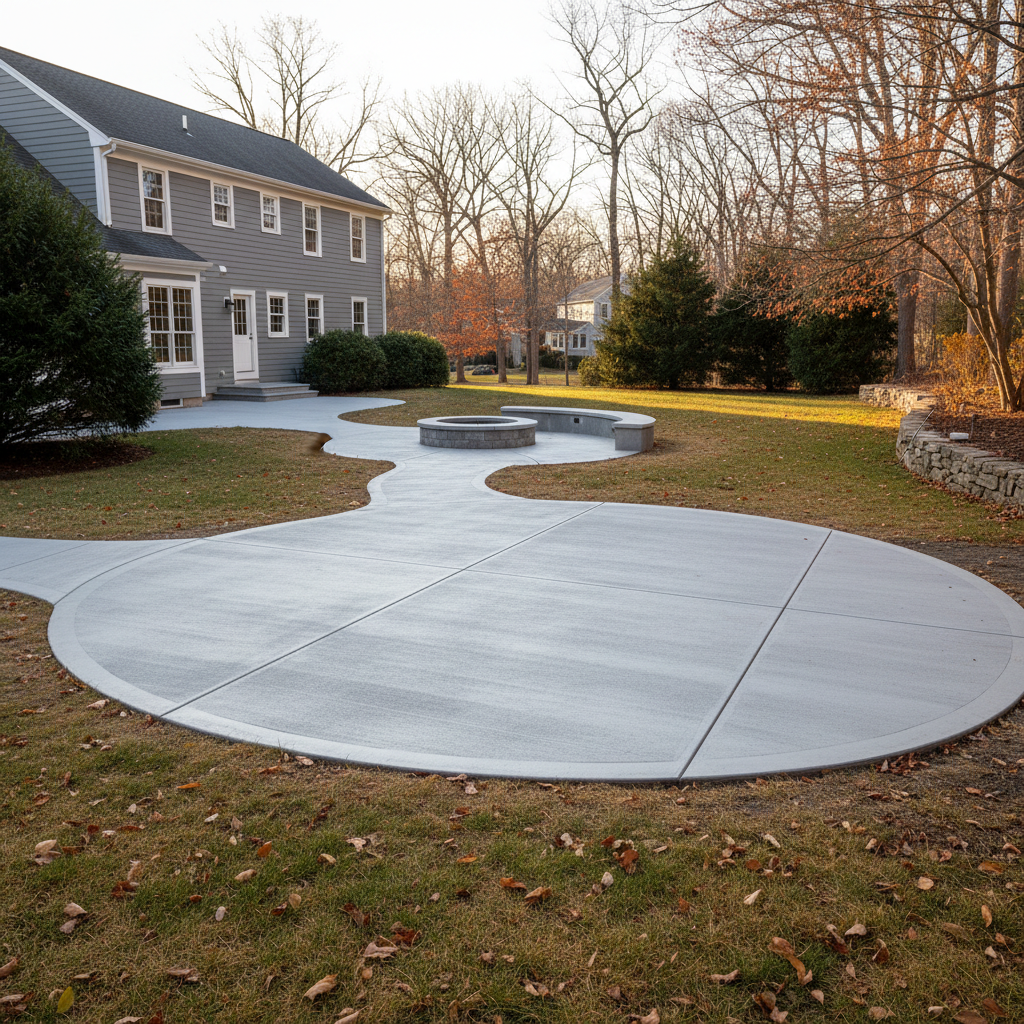
When's the best time to pour concrete around here? That's a question I get a lot, and for good reason. We live in New England, right? Our weather isn't exactly consistent. Getting the timing right for your concrete project, whether it's a new driveway, patio, or walkway, makes all the difference in how long it lasts and how good it looks.
Understanding Hartford's Climate & Your Concrete
Our climate in Hartford throws a lot at concrete. We've got those hot, humid summers, often with sudden downpours, and then those brutal, freezing winters with plenty of snow and ice. This constant freeze-thaw cycle is concrete's biggest enemy. Water gets into tiny pores, freezes, expands, and then thaws, slowly breaking down the material. That's why proper planning and protection are non-negotiable.
So, when's the sweet spot for pouring? Generally, I tell folks to aim for spring or fall. You want temperatures that are consistently above freezing, ideally between 40°F and 70°F, and not too much direct sun or wind. Here's why:
- Spring (Late April to Early June): This is often ideal. The ground has thawed, temperatures are rising but aren't scorching, and there's usually enough moisture in the air to help the concrete cure slowly and strongly. You just need to watch out for those unexpected late-spring frosts.
- Summer (Mid-June to August): We can pour in the summer, but it's trickier. High heat makes concrete set too fast, which can lead to cracking. We have to take extra precautions like misting, using curing compounds, or even pouring early in the morning. Those intense afternoon thunderstorms we get around here can also be a real headache if the concrete isn't covered or set enough.
- Fall (September to Mid-November): Another great window. The air is cooler, and the ground retains some warmth. Again, the goal is to get the concrete poured and properly cured before the first hard freeze hits. You don't want fresh concrete exposed to freezing temperatures too soon.
- Winter (December to March): Forget about it. Seriously. Pouring concrete in freezing temperatures is a recipe for disaster. The water in the mix will freeze before the concrete can properly hydrate and gain strength, leading to weak, damaged concrete that won't last. We just don't do it at Hartford Concrete Paving unless it's an absolute emergency, and even then, it involves expensive heating and insulation.
Weather Conditions That Affect the Work
It's not just about the season; daily weather matters, too. We're always checking the forecast for a few things:
- Temperature: As I said, 40-70°F is the sweet spot. Too hot, and it dries too fast. Too cold, and it won't cure properly.
- Wind: High winds can dry out the surface of the concrete too quickly, leading to what we call plastic shrinkage cracking. We'll often put up windbreaks if needed.
- Rain: A light drizzle might be okay, but heavy rain can wash away the cement paste, weaken the surface, and leave it pitted. If rain is in the forecast, we'll reschedule or make sure we have tarps ready to protect the fresh pour.
- Humidity: Believe it or not, humidity helps. It keeps the surface from drying out too fast, allowing for a stronger cure.
Protecting Your Concrete Investment Year-Round
Once your new concrete is in, your job isn't quite done. You've got to protect that investment, especially with our Hartford winters. Here's how:
- Seal It: This is probably the most important thing you can do. A good quality penetrating sealer should be applied about 30 days after the concrete is poured, and then reapplied every 2-3 years. It acts like a raincoat, preventing water, especially from melting snow and ice, from soaking in and causing damage during freeze-thaw cycles.
- Be Smart About De-Icers: This is huge. NEVER use rock salt (sodium chloride) or de-icers containing ammonium nitrate or ammonium sulfate on your concrete, especially new concrete. They are incredibly corrosive and will pit and spall your concrete. Use sand for traction, or look for de-icers labeled